





From Vinyl to Velvet: The Evolution of Album Cover Shirts in Fashion

Introduction to the world of album cover shirts
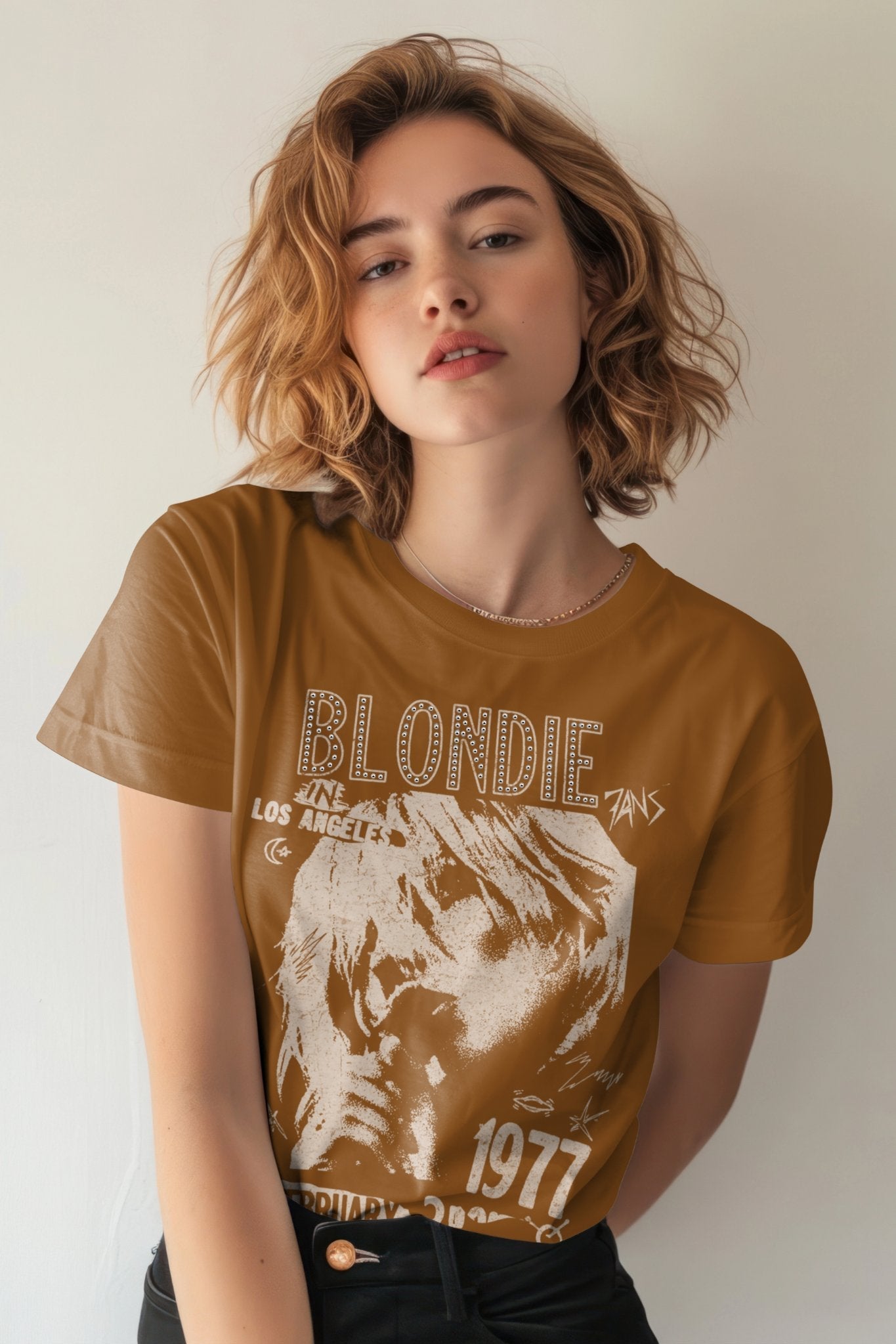
Album cover shirts aren’t just clothes; they’re statements. They tell stories, show off musical tastes, and connect fans. This trend kicked off when fans started wearing their hearts on their sleeves—literally—sporting shirts flaunting their favorite music’s album art. What began with rock and punk bands has exploded into every genre, from hip-hop to classical. Today, these shirts come in every fabric, from hardy vinyl prints to soft, luxurious velvet finishes, showcasing how the trend has evolved to fit anyone’s style and comfort. The idea is simple: take the iconic art from an album and slap it on a shirt. Yet, this simple gesture turns a regular piece of clothing into a personal billboard, a conversation starter, and a piece of walking art. Whether it’s a vintage find of The Beatles or a newly-released Billie Eilish tee, these shirts bridge the gap between music and fashion, making them a staple in wardrobes around the globe. As we dive into the journey from vinyl to velvet, we’ll explore how a basic band tee became a high-fashion statement and why it continues to resonate with music lovers and fashionistas alike.

The origins of album cover shirts in fashion
Album cover shirts weren’t always a staple in fashion. Their journey began in the late 60s and early 70s when music fans started to wear their favorite band’s merchandise to show their allegiance. It was during this era, marked by iconic festivals and a surge in rock ‘n’ roll’s popularity, that fans sought new ways to connect with the music they loved. Bands like The Beatles and Rolling Stones began to realize the power of merchandising, leading to the birth of album cover shirts. These shirts were more than just clothing; they were a form of expression, a way for fans to carry a piece of their favorite music with them. Initially, these tees featured simple designs, but as they gained popularity, more intricate and artistic representations of album covers started to adorn these shirts, transforming them into the fashion statements we know today.
The evolution of album cover shirt designs
Album cover shirts weren’t always the fashion staples they are today. Initially, they were simple merchandise, a basic tee with an album’s cover slapped on. It was a straightforward way for fans to showcase their music tastes. As the years rolled by, these designs evolved. They became more than just fan merch; they turned into fashion statements. Designers started playing with layouts, integrating album art with innovative graphics and typography, making each piece unique. The evolution didn’t stop at design. The choice of fabric shifted from basic cotton to blends that offered better fits and comfort, like cotton-polyester mixes, even extending into luxurious options like velvet for those limited-edition pieces. This transformation turned album cover shirts from simple fan wear into coveted items that blend music, art, and fashion, appealing to music enthusiasts and the wider public looking for something special to add to their wardrobe.
Iconic album cover shirts through the decades
In the fashion world, album cover shirts aren’t just clothes; they’re a statement, blending music’s influence with personal style. Let’s roll back the decades to spotlight some iconic album cover shirts that have made waves. In the 70s, it was all about rock and psychedelia – think Pink Floyd’s “The Dark Side of the Moon”. This era set the stage for music not just to be heard, but worn. Moving into the 80s, band tees became more accessible, with heavy metal bands like Iron Maiden and Metallica leading the charge, their bold graphics and logos becoming wearable symbols of rebellion. The 90s pushed this further with grunge and hip-hop. Nirvana’s “Smiley Face” tee became synonymous with grunge culture, while hip-hop acts like Wu-Tang Clan introduced streetwear into the mix, their logo tees becoming a staple. Fast forward to today, and album cover shirts are more than retro nostalgia. They’re a critical part of streetwear, with artists like Billie Eilish and Travis Scott turning album merch into high fashion. Album cover shirts have become a canvas for self-expression, a wearable piece of history that tells the world about your musical taste and influences. It’s tempting to see these shirts just as fashion, but they’re really badges of identity, connecting us through shared tunes and times.
The role of music and culture in album cover shirt popularity
Music and culture aren’t just background noise; they shape trends and define generations. As album cover shirts weave their way into the fabric of fashion, they’re not just casual wear, they’re billboards of personal identity and taste. Here’s the thing - when a band drops an album that hits the charts or a genre takes over, it’s not long before you see fans and fashionistas alike sporting that album’s cover on their shirt. It’s a statement, “I’m into this music, and it speaks to me.”
Pop icons and rock bands have been massive influencers. Remember when The Beatles or Nirvana ruled the airwaves? It wasn’t just their music that became iconic; their album covers became symbols worn proudly, a form of allegiance to their vibes. It’s more than fashion; it’s fandom, it’s identity, and, fundamentally, it’s culture making its mark on what we wear.
As genres expand and music becomes globally accessible, the variety of album cover shirts has exploded. From hip-hop to indie rock, each brings its own flavor to fashion. What starts as a trend among the fans spills over into mainstream fashion, making these shirts a staple in wardrobes worldwide.
In essence, music and culture drive the popularity of album cover shirts, turning them into timeless pieces that represent our personal and collective journeys through sound.
Vinyl nostalgia: How vinyl records influence fashion trends
Vinyl records are more than just music; they’re a bold statement of personal style and nostalgia. As these records spin stories of past decades, they’ve also spun their influence into the fashion world, particularly through album cover shirts. Bands and artists from the ‘60s, ‘70s, and ‘80s have become icons not only for their beats but for their visual art, splashed across vinyl covers. These vibrant and often psychedelic designs are getting a second life in fashion as tees, showcasing everything from classic rock bands to obscure indie artists. Wearing an album cover shirt is like wearing a piece of history, showing off your music taste and paying homage to the vinyl era. It’s this blend of nostalgia, personal expression, and the tactile feel of vinyl that makes these shirts a staple in today’s fashion. Reviving these designs is less about reviving a trend and more about keeping a culture alive, making vinyl nostalgia a powerful driver in fashion trends.
From band merch to fashion statements: The shift in album cover shirts
Once, album cover shirts were just a way to shout out your favorite band. You’d see them at concerts, tucked away in record store corners, or being sported by the most devoted fans. They were simple, often just the album art slapped on cotton. But times have changed. What started as band merch has smoothly transitioned into a major fashion statement. High-end designers and streetwear brands have started blending music and fashion, elevating the humble album cover shirt from fan merch to coveted fashion pieces. This shift isn’t just about wearing music on your sleeve; it’s about embodying the culture, the era, and the vibe of the music through what you wear. Icons from the past and present are now celebrated not only in playlists but also in wardrobes. From vintage finds featuring classic rock legends to modern pop icons splashed across tees in unexpected, artistic ways, album cover shirts are now a way to showcase your music taste and fashion sense simultaneously. The line between band merch and fashion statement has blurred, and in the process, these shirts have become a canvas for expression that speaks volumes, both about personal style and musical preference.
The revival of velvet and its impact on album cover shirt designs
Velvet, once thought of as old-fashioned, has made a massive comeback in the fashion world. This soft, luxurious fabric is now turning up in all sorts of places, including the bold world of album cover shirts. Originally, these shirts were more about the print than the material, often made from simple fabrics like cotton or polyester. But with velvet’s revival, we’re seeing a shift. The texture and depth velvet adds to a shirt amplify the artwork on the album cover, making it pop in a way that’s both visually stunning and tactile. Designers are flocking to velvet for its ability to make colors richer and more vibrant. This change means that when you wear one of these shirts, not only do you make a statement with the music you love, but you also bring a touch of luxury and a nod to fashion’s dynamic nature. Velvet’s impact on album cover shirt designs showcases how textures can redefine the boundaries of wearable art, merging music, fashion, and luxury into one piece.
How to style album cover shirts for different occasions
Styling album cover shirts is all about balance. Think of your shirt as the star of the show and everything else as the supporting cast. Here’s the deal: For a casual day out, pair your album cover tee with jeans and sneakers. It’s effortless and always works. Want to step it up for an evening? Toss on a blazer or a leather jacket. This mix of casual and classy screams cool without trying too hard. Working in a creative office? Blend your shirt with smart trousers and low-profile sneakers. It’s professional yet shows off your personality. Remember, the key to nailing this look is confidence. Wear your album cover shirt with pride, knowing it speaks volumes about your taste in music and style.
The future of album cover shirts in the fashion industry
Album cover shirts aren’t just riding a nostalgic wave—they’re carving out their future in the fashion industry. More than ever, we’re seeing a blend of music and fashion that goes beyond just wearing a band’s logo. Think about it: high-end brands collaborating with musicians to create limited edition lines, or vintage shirts becoming luxury items. The draw? Authenticity and a sense of personal identity. People want to feel connected to the music they love, and wearing it is a powerful way to do that. Plus, as sustainable fashion gains traction, the demand for quality, vintage, and repurposed pieces is spiking. This means album cover shirts will likely shift. They’ll become more than mere casual wear; we’ll see them as statement pieces, part of capsule collections, and even on runways. So, watching how designers keep the essence of these shirts authentic while innovating will be interesting. The future for album cover shirts in fashion? It’s looking as diverse and dynamic as the music they celebrate.